INSIGHTS
The Big Construction Diversity Challenge
Why inclusion is now a business imperative
The UK construction industry faces a persistent workforce gap, with CITB’s Construction Skills Network forecasting the need for an extra 251,500 workers by 2028 – around 50,300 additional workers every year – simply to meet projected demand. At the same time, employers already struggle to recruit suitably skilled staff, with an average of 38,000 vacancies per month in 2023 and older workers leaving the sector faster than they can be replaced.
In this context, maintaining a narrow, traditional talent pool is no longer viable; employers need to draw from the widest possible range of people, including women, ethnic minorities, disabled people and neurodivergent workers. Industry bodies and trade associations now explicitly link diversity to the sector’s ability to close skills gaps and meet infrastructure and housing targets.
EDI, performance and profitability
Cross‑industry evidence shows that organisations investing in inclusion see tangible returns in productivity, innovation and profitability. Research highlighted in The Big Construction Diversity Challenge’s Insights series notes that companies tracking gender‑diversity initiatives have reported profit increases of between 5 and 20%, while construction‑specific studies suggest that every £1 invested in women‑focused recruitment, training and retention can generate up to £6 in social value.
Inclusion also affects everyday performance and retention. BetterUp research, cited in BCDC’s gender diversity Insight, found that when employees feel a strong sense of belonging, job performance can improve by 56%, turnover risk can fall by 50%, and sick days can reduce by 75%. For a sector where project delays, rework and re‑mobilisation are expensive, these people outcomes directly influence commercial results.
Culture, reputation and client expectations
Clients and supply‑chain partners increasingly expect demonstrable EDI commitments, particularly on public and major private frameworks where social value, local employment and inclusive practices are now evaluation criteria. Organisations that can evidence diverse teams, inclusive leadership and proactive wellbeing support are better positioned to win work and build long‑term relationships.
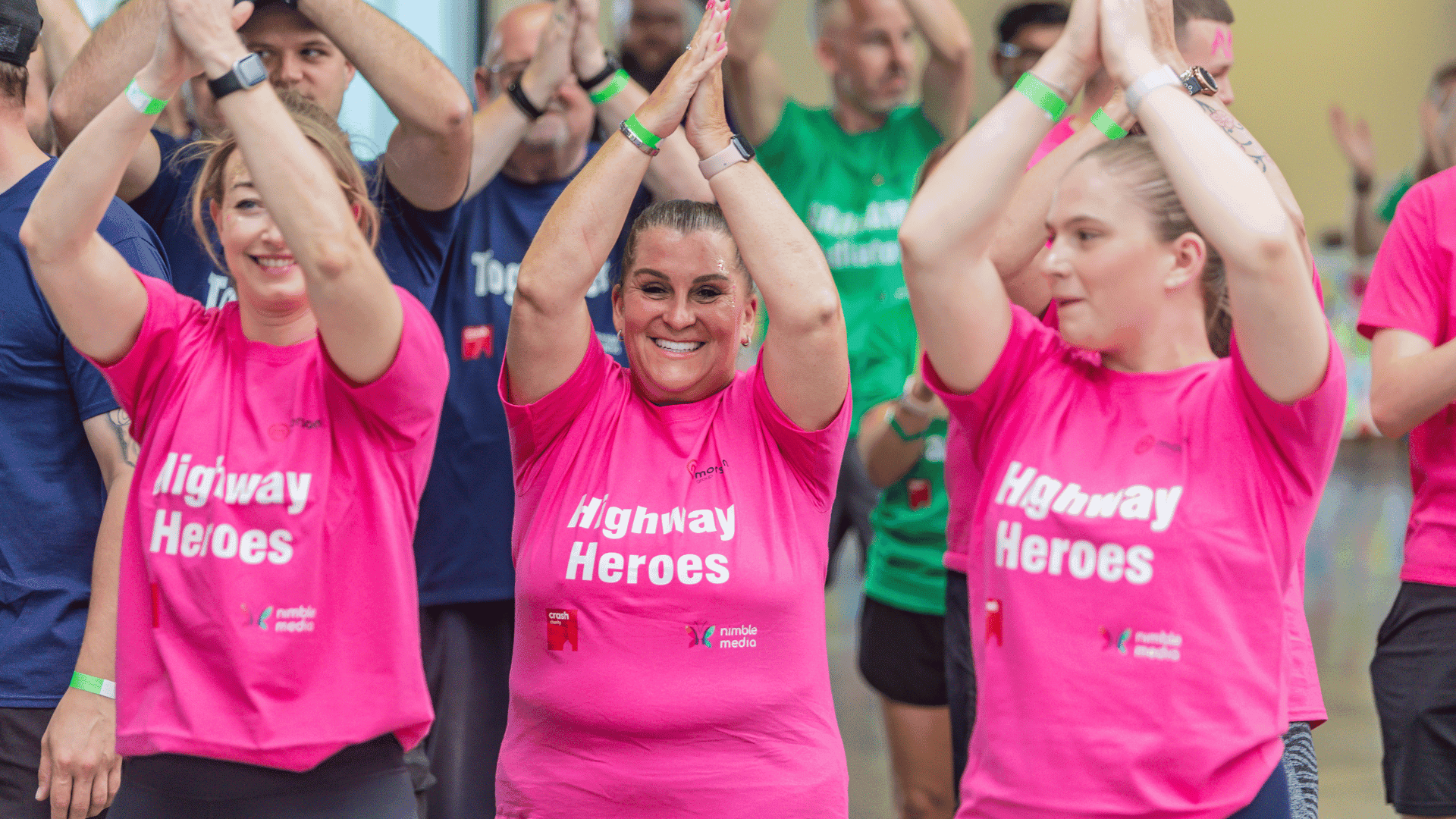
Events such as The Big Construction Diversity Challenge provide a visible platform for organisations to showcase their commitment to inclusion, bring together teams from undergraduates to CEOs, and share best practice across the supply chain. Experiential team‑building challenges focus on collaboration, psychological safety and respect, reinforcing the inclusive behaviours that underpin high‑performing project teams.
Data‑driven insights
The UK construction sector needs over 251,000 additional workers by 2028 to meet forecast demand, amplifying the need to draw on under‑represented talent pools.
Women represent around 15% of the overall UK construction workforce, with far lower representation in site‑based and skilled trades roles, highlighting significant untapped talent.
Surveys of neurodiversity indicate that around one in four construction workers consider themselves neurodivergent, suggesting a sizeable group whose strengths and needs are often under‑recognised in traditional management approaches.
Mental ill health, including stress, depression and anxiety, accounts for around 18% of all work‑related ill health in construction, affecting wellbeing, productivity and retention.
Practical takeaways for construction leaders
Treat EDI as a strategic priority, linked explicitly to skills, productivity and risk management in business plans, not as a side project.
Use workforce data to identify under‑representation and target interventions in recruitment, development and progression.
Engage with sector initiatives such as The Big Construction Diversity Challenge to build inclusive behaviours through shared, practical experiences.
Embed inclusion into client conversations, bids and framework responses, demonstrating how diverse teams and psychologically safe cultures improve delivery.
Learn more about the aims and objectives of the event on The Big Construction Diversity Challenge about page.
Explore how inclusion translates into measurable returns in the Insight, “Beyond good intentions: the real return of EDI in construction”.
Discover how experiential activities drive behaviour change in “Why Construction Diversity Challenges are More Than Just Team Building”.