INSIGHTS
The Big Construction Diversity Challenge
The first five articles in this series have already established something important. The future of UK construction will be shaped less by new machinery or digital tools and far more by the way people work together.
We have explored why diversity challenges stem from culture rather than capability, how EDI delivers measurable business value, the importance of gender representation, the barriers still keeping women out, and the practical steps businesses can take to build an inclusive culture.
The next question is becoming clear across the sector: How do we take EDI from intention to everyday practice?
Construction understands why inclusion matters, and many companies have started the journey. The opportunity ahead lies in embedding inclusion so deeply into daily activity that it becomes a natural part of how sites operate and how teams collaborate.
This article introduces the next stage of evolution: operational inclusion. This involves applying inclusive principles to the routines, habits, and systems that shape everyday working life. It transforms EDI from a programme into a standard.
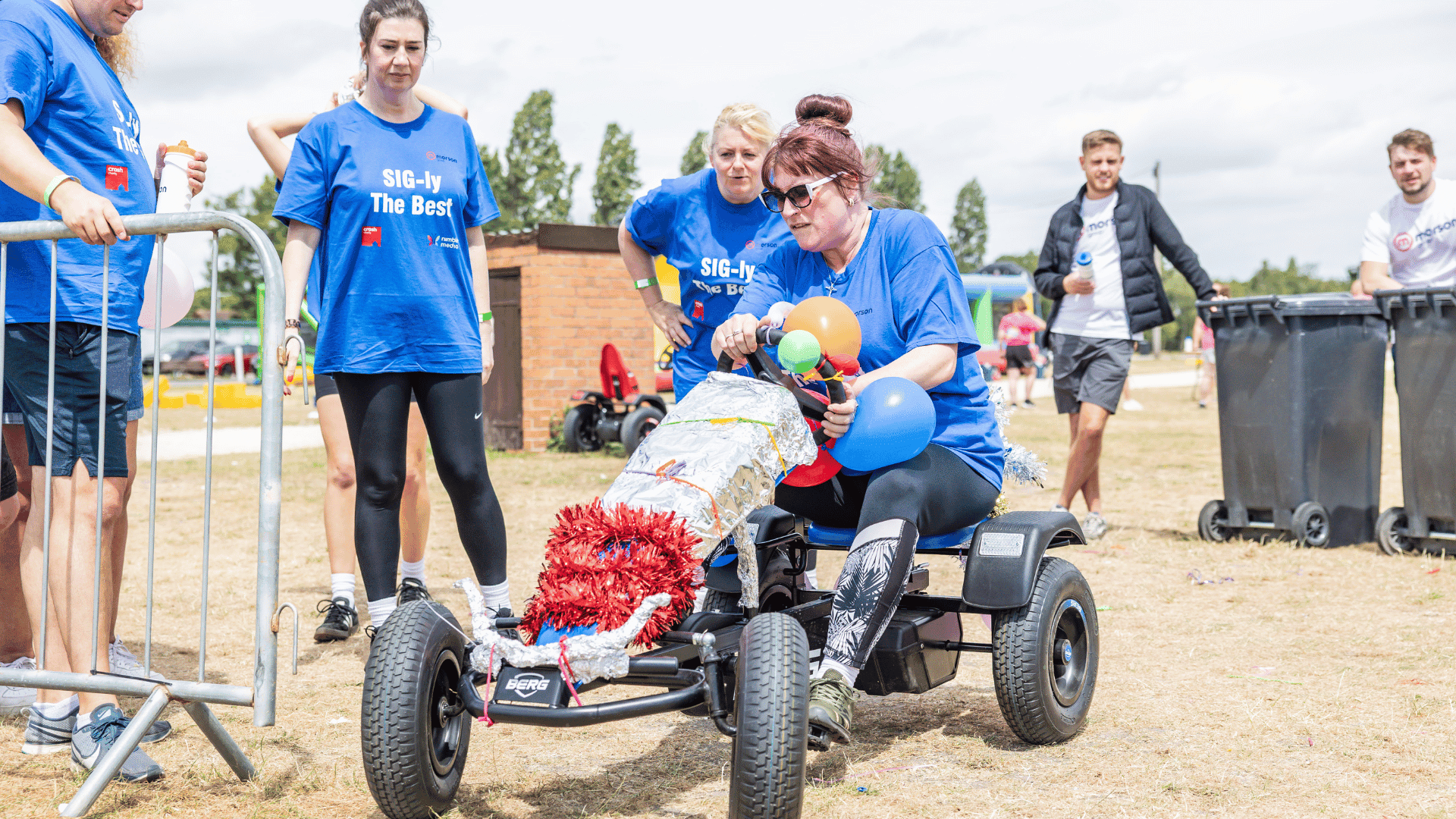
It is also an area where The Big Construction Diversity Challenge plays a crucial role. By giving teams a real-world experience of inclusive working, the Challenge helps organisations move from awareness to application, which is often the hardest step in the EDI journey.
The early articles showed that construction does not suffer from a talent shortage. It suffers from cultural friction. The statistics remain sobering:
86% of BAME construction workers report racial discrimination, often framed as part of industry culture
72% of women say they have experienced gender bias at work
62% of employers say early leavers are a significant business issue
We also know that belonging boosts job performance by 56%, halves the risk of turnover, and reduces sick days by 75%. So the argument for inclusion is proven. The challenge is turning commitment into consistent behaviour - policies alone cannot change culture, training alone cannot change culture, statements certainly cannot change culture - change happens through the daily actions that shape site life.
This is precisely where The Big Construction Diversity Challenge is most effective for companies. The event creates shared experiences that shift attitudes, communication styles, and team dynamics. These shifts translate directly into everyday practice back at work.
Article 5 - Making your business culture more inclusive in 6 simple steps - outlines six practical steps for building an inclusive culture, including leadership behaviour, inclusive recruitment, scenario-based training, mentorship, measurable progress, and celebrating success.
These are essential foundations, but the next step is making inclusion operational. This means applying it to:
Inductions
Toolbox talks
Site briefings
Rotas and scheduling
Task allocation
Safety communications
Progression and performance reviews
Informal team interactions
When inclusion is woven into these processes, it stops being an initiative and becomes part of the standard.
The Big Construction Diversity Challenge provides a real-world model of this. Teams take part in mixed, inclusive activities that require collaboration, communication, and shared problem-solving. By experiencing inclusive practice first-hand, they are better able to embed it into workplace routines.
Three operational behaviours that turn culture into performance
Drawing on insights from our earlier articles, these five behaviours represent the next stage of construction’s transformation.
Integrating inclusion into safety culture.
Safety remains construction’s strongest cultural value. Yet exclusion creates risk.
Examples include:
Lack of female-specific PPE (a problem for 60% of women surveyed)
Micro exclusions are reducing team performance by 25% on a project
Women are being excluded from essential skill-building tasks, which affects competence and safety outcomes
Operational inclusion means embedding respect, belonging, and equal access into safety conversations.
The Big Construction Diversity Challenge supports this by demonstrating in real time how diverse teams enhance safety through clear communication, shared responsibility, and wider perspectives.
Making progression pathways accessible and visible
Article 4 also highlighted that 38% of women have never had a female manager, and nearly half feel this has held back their careers. Transparent progression requires:
Equal allocation of high-value tasks
Structured development plans
Mentoring that includes underrepresented groups
Visibility of progression routes
Inclusive decision-making processes
The Big Construction Diversity Challenge reinforces this by allowing employees of all backgrounds to demonstrate leadership and capability in neutral, experiential settings. These insights often reshape how leaders view potential within their teams.
Treating EDI as a competitive advantage
Article 2 - Beyond good intentions: The real return of EDI in construction - showed that EDI now affects tendering, procurement, profitability, and market access. Companies with strong inclusion practices position themselves better for government contracts, supply chain approvals, and community engagement requirements.
Operational inclusion helps organisations:
Demonstrate measurable action
Meet social value requirements
Strengthen workforce stability
Improve client trust
Increase productivity and innovation
The Big Construction Diversity Challenge gives companies a practical, visible way to evidence commitment and progress, making it a useful component of any EDI or Social Value portfolio.
The role of The Big Construction Diversity Challenge in embedding inclusion
Across the earlier articles, one message is consistent. Real inclusion happens when people experience it, not just learn about it. This is why The Big Construction Diversity Challenge is so effective. It takes teams out of their daily roles and places them in collaborative, mixed-ability, mixed-background environments where inclusive behaviour becomes the key to success.
Participants leave with stronger awareness, better communication, increased confidence, a clearer understanding of team strengths and practical examples of inclusive problem-solving. The event also provides renewed motivation to support colleagues. These experiences accelerate cultural change back in the workplace, because people are no longer being told what inclusion looks like. They have lived it.
Construction is at a significant moment.
Interest from women and other underrepresented groups is rising. Apprenticeship applications from women are increasing at record levels. Young people are increasingly value-driven. Early leavers remain costly. Well-being concerns are growing. Clients and procurement bodies are demanding proof of ethical practice. The businesses that thrive in the next decade will be those that make inclusion operational. They will recruit more effectively, retain more consistently, communicate more clearly, collaborate more efficiently, innovate more confidently and perform more safely.
The Big Construction Diversity Challenge is designed to help organisations reach this point. It provides the practical, hands-on experience that bridges the gap between understanding inclusion and applying it. If your business is ready to turn awareness into action and to embed EDI into everyday practice, this is the ideal next step. Think BIG. Build differently. Lead the change.